Architecture Hunter Publication
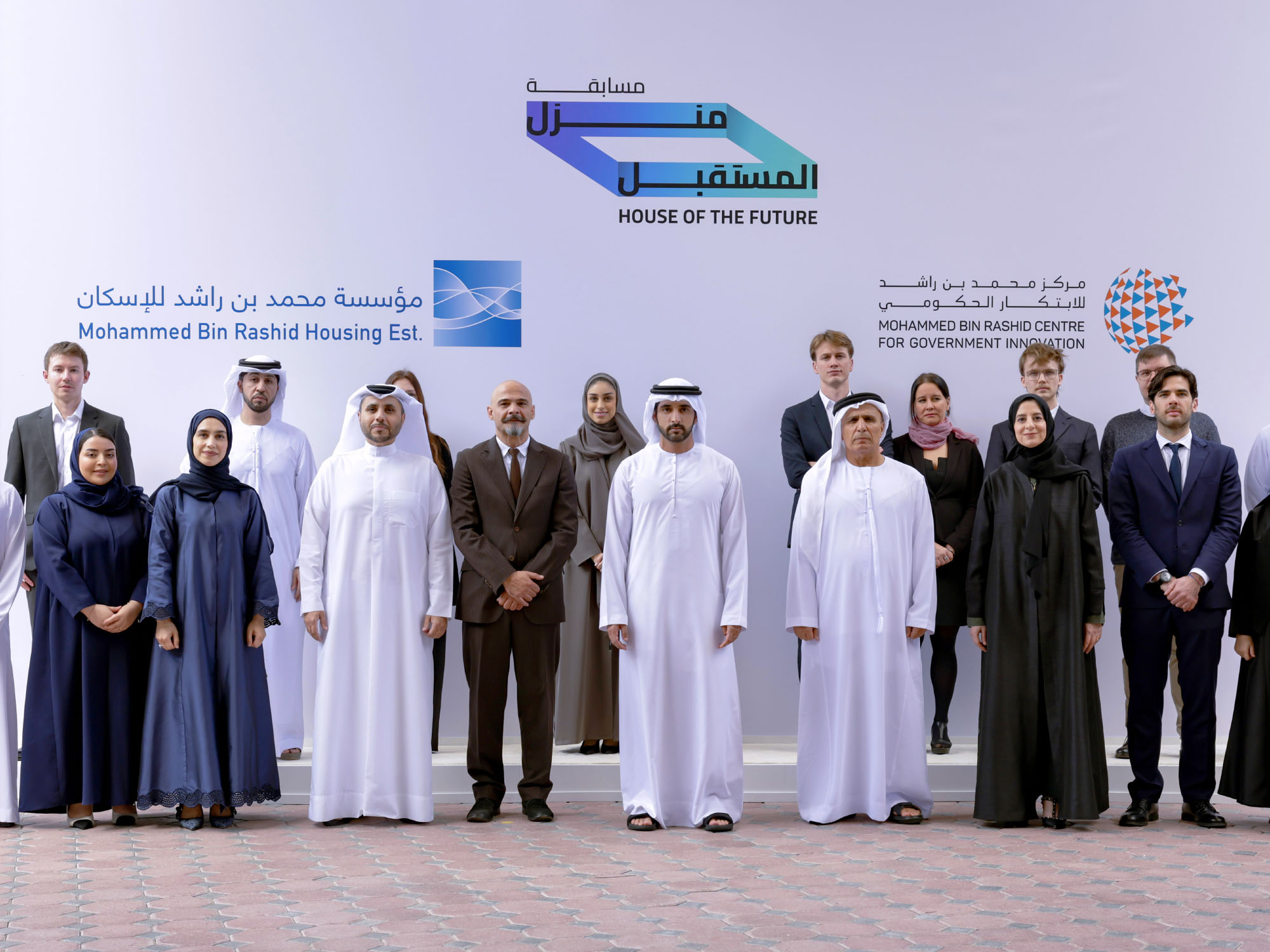
House of the Future Competition
about
House of the Future International Competition
Media
The project is published by one of the most influential global digital platforms in architecture
The project is published by one of the most influential global digital platforms in architecture
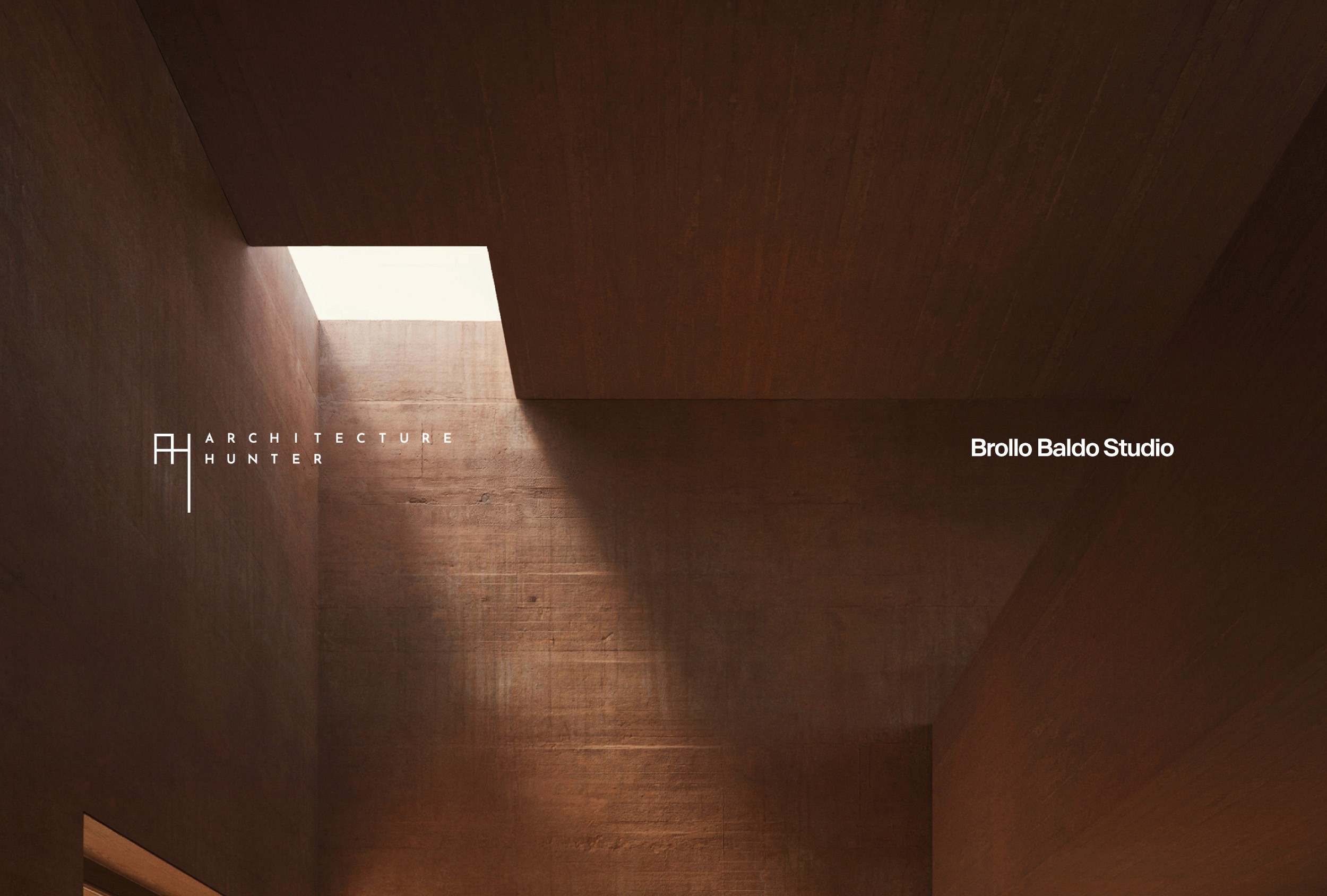
Architecture Hunter stands as one of the most influential digital platforms in architecture, reaching a global audience of millions and playing a key role in the dissemination of architectural work across the international scene. Its editorial vision and reach position it as a leading channel for both emerging and established practices. Within this context, we are pleased to share that Block Yard, designed by Brollo Baldo Studio, has been recently featured on the platform.
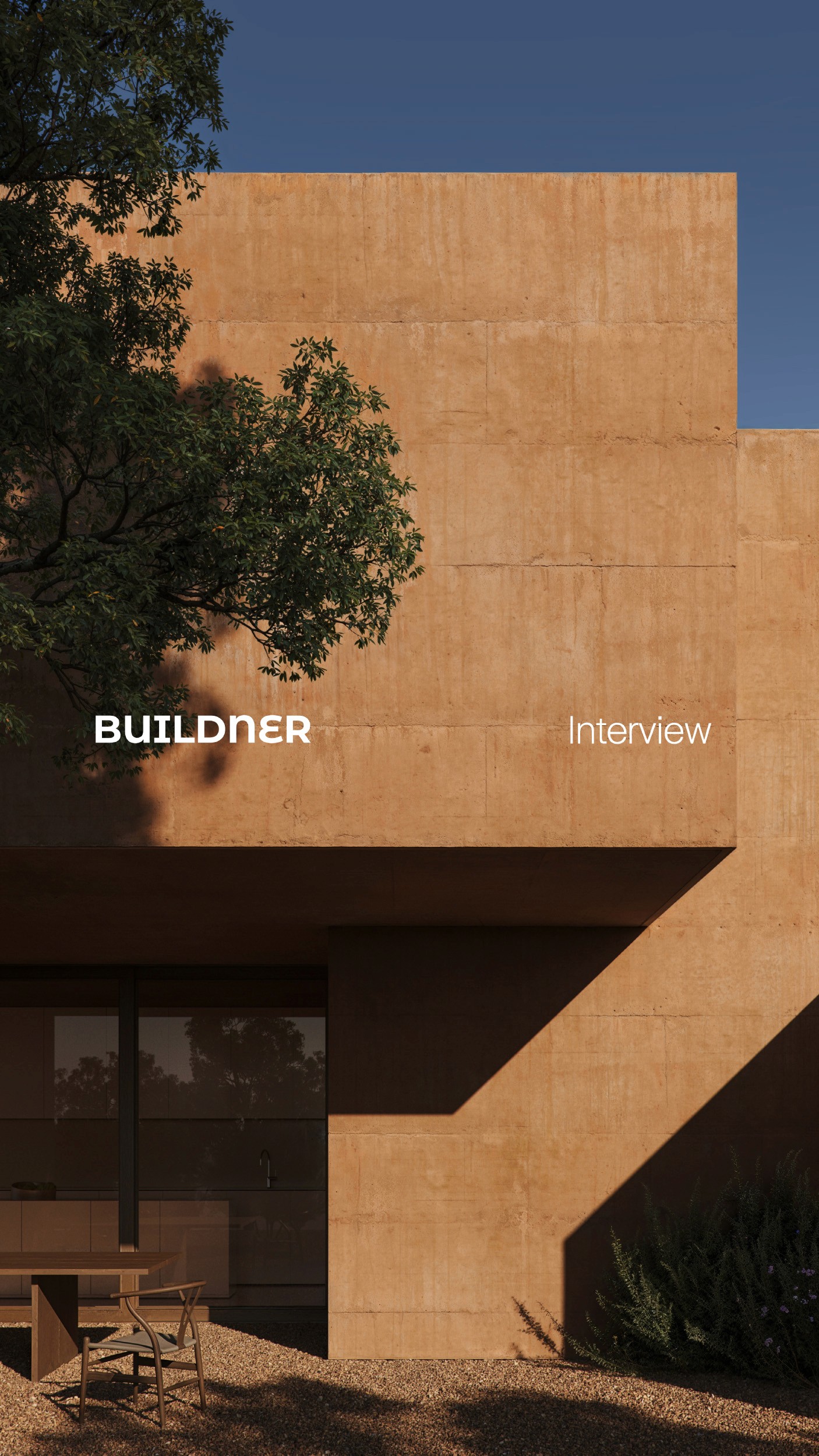
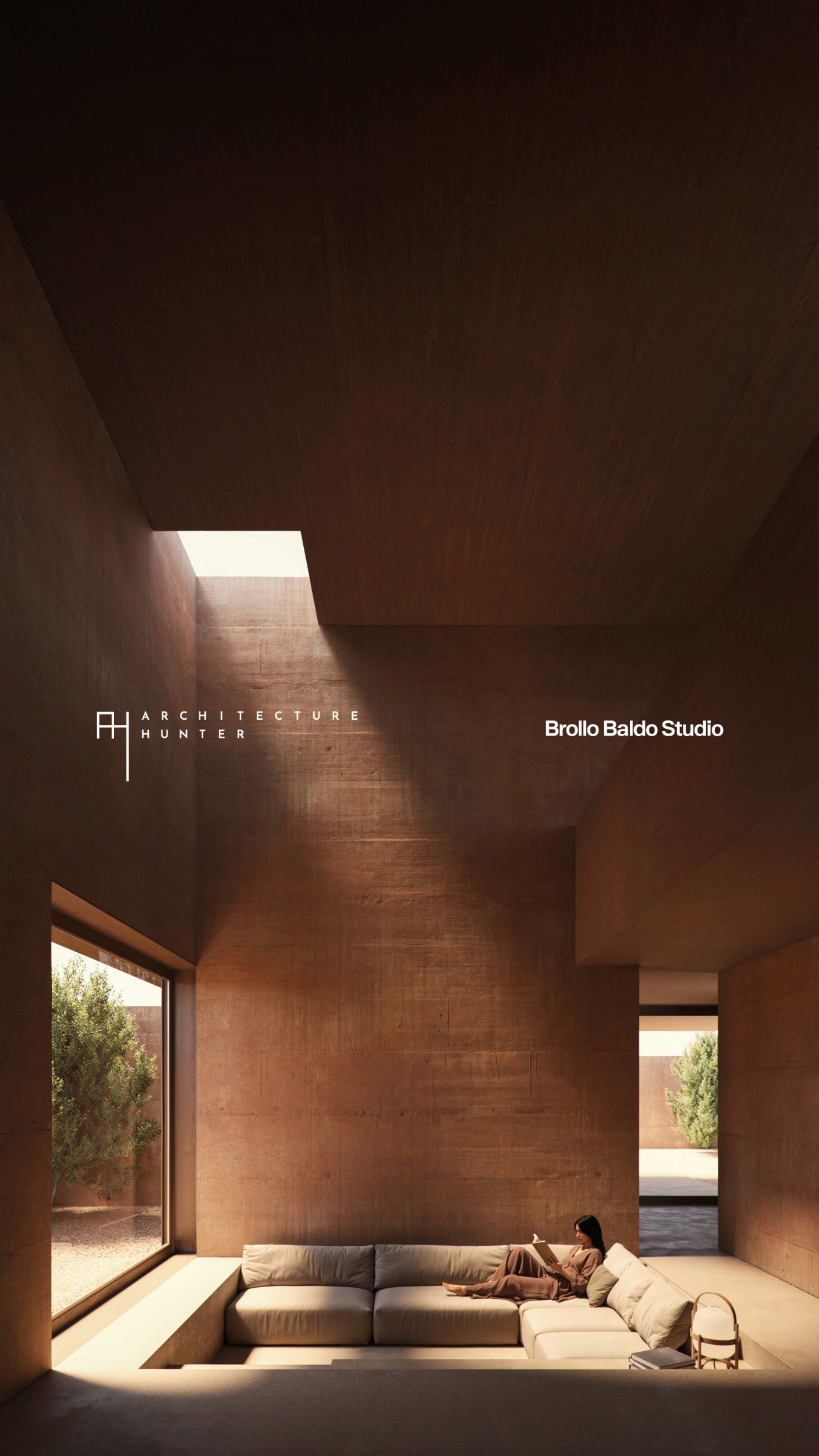
The proposal emerges from a careful reading of the territory and the architectural tradition of the United Arab Emirates, where building practices have long engaged with an extreme environment. The project reflects on the future of housing through the reinterpretation of ancestral construction strategies, resulting in a monolithic, earth-based architecture defined by the absence of visible openings. In contrast, the interior unfolds as a sequence of flexible and luminous spaces, where natural light becomes the primary agent in shaping the domestic experience.
Architecture Hunter stands as one of the most influential digital platforms in architecture, reaching a global audience of millions and playing a key role in the dissemination of architectural work across the international scene. Its editorial vision and reach position it as a leading channel for both emerging and established practices. Within this context, we are pleased to share that Block Yard, designed by Brollo Baldo Studio, has been recently featured on the platform.
The proposal emerges from a careful reading of the territory and the architectural tradition of the United Arab Emirates, where building practices have long engaged with an extreme environment. The project reflects on the future of housing through the reinterpretation of ancestral construction strategies, resulting in a monolithic, earth-based architecture defined by the absence of visible openings. In contrast, the interior unfolds as a sequence of flexible and luminous spaces, where natural light becomes the primary agent in shaping the domestic experience.

More to read